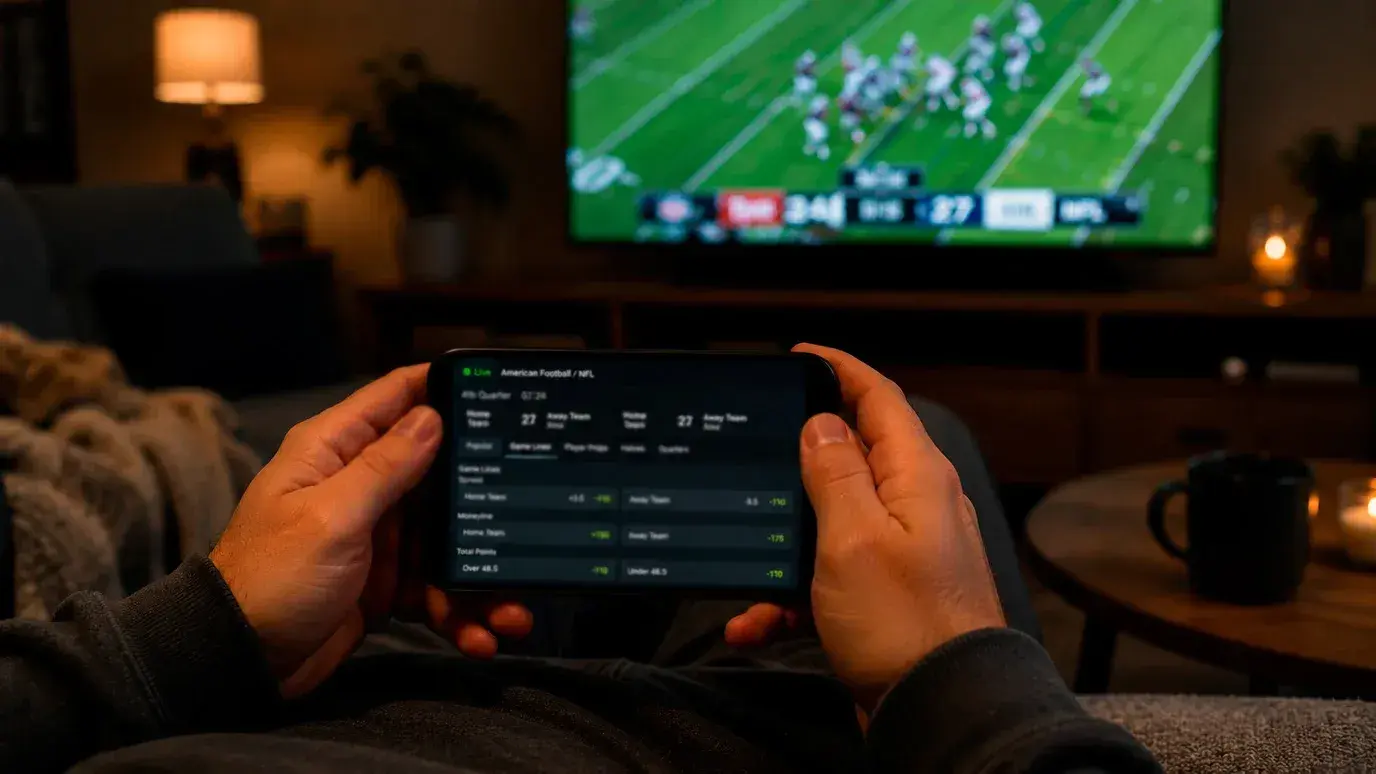

I had a totals bet go wrong in the most avoidable way possible: the game went to overtime, both teams scored, and the combined total sailed over a number that was comfortable under through four quarters. The under was dead the moment overtime began, and I had not considered the possibility when I placed the bet. That experience taught me to treat overtime not as an unlikely footnote but as a structural variable that affects how NFL bets settle. If you are betting on American football from the UK, understanding which markets include overtime and which do not is essential before you put money down.
This guide covers the current NFL overtime format, breaks down which bet types are affected by OT on a market-by-market basis, and explains how overtime probability should factor into your pre-game analysis.
Current NFL Overtime Rules: What Changed and When
The NFL’s overtime rules have been revised multiple times, and the current format is the result of changes implemented for the 2022 playoffs and subsequently extended to the regular season. Under the present rules, both teams are guaranteed at least one offensive possession in overtime, regardless of what happens on the first possession. This replaced the previous “sudden death” format, where the team that won the coin toss could win the game with a touchdown on its opening drive without the opponent ever touching the ball.
Regular-season overtime consists of a single 10-minute period. If neither team leads at the end of that period, the game ends as a tie. Ties are rare—roughly 0.5% of regular-season games in recent years—but they do happen, and they affect betting settlement in specific ways that we will cover below.
Playoff overtime has no time limit and cannot end in a tie. Both teams get at least one possession, and play continues until one team leads at the end of a complete possession after both have had at least one turn. This format can theoretically produce extended overtime periods, though most playoff OT games are decided within the first two possessions. The average NFL game draws 18.7 million viewers, and overtime playoff games are among the most-watched broadcasts of any season—the drama of sudden elimination concentrates attention and betting activity simultaneously.
For UK bettors, the practical implication is that regular-season games can end in a tie (affecting moneyline settlement), while playoff games always produce a winner. Your overtime-related betting strategy should differ between the regular season and the post-season accordingly.
Which Bets Include Overtime: A Market-by-Market Breakdown
The general rule on UK platforms: all bets that reference the final result of the game include overtime. But “general rule” is not the same as “universal rule,” and the exceptions matter enough to check before every bet.
Moneyline bets include overtime. The bet settles on the final result, including any overtime period. In the regular season, if the game ends in a tie, moneyline bets are typically voided and stakes returned. In the playoffs, ties are impossible, so the moneyline always produces a winner.
Spread bets include overtime on virtually every UK platform. The final score, including overtime points, is used to determine whether the favourite covered the spread. This means overtime can flip a spread result—a team that was covering through regulation may fail to cover (or vice versa) once overtime scoring is added.
Total (over/under) bets include overtime. This is where overtime has the most dramatic impact. A game trending comfortably under the total through four quarters can sail over if overtime produces even a single field goal. Live betting now accounts for 62.35% of online betting revenue globally, and the in-play total shifts sharply when a game enters overtime because the probability of additional scoring changes the calculus entirely.
Half-time and quarter-specific bets do not include overtime. A first-half total, a third-quarter spread, or a second-half moneyline all settle on the relevant portion of regulation time only. This is consistent across UK platforms and rarely causes confusion.
Player props are where it gets complicated. Most UK platforms settle player props on the full game including overtime—a quarterback’s passing yards in overtime count toward his passing yardage total. However, some platforms settle specific props on regulation time only, particularly props with fixed time references (“first-quarter passing yards” or “first-half touchdowns”). Always check the market-level settlement rules on your platform before placing a player prop on a game that could go to overtime.
Overtime and Totals: How OT Pushes Scores Over the Number
The relationship between overtime and totals is asymmetric: overtime almost always helps the over. Even a single field goal in overtime adds 3 points to the combined score, and the current rules—guaranteeing both teams a possession—make multi-score overtime periods more likely than under the old sudden-death format.
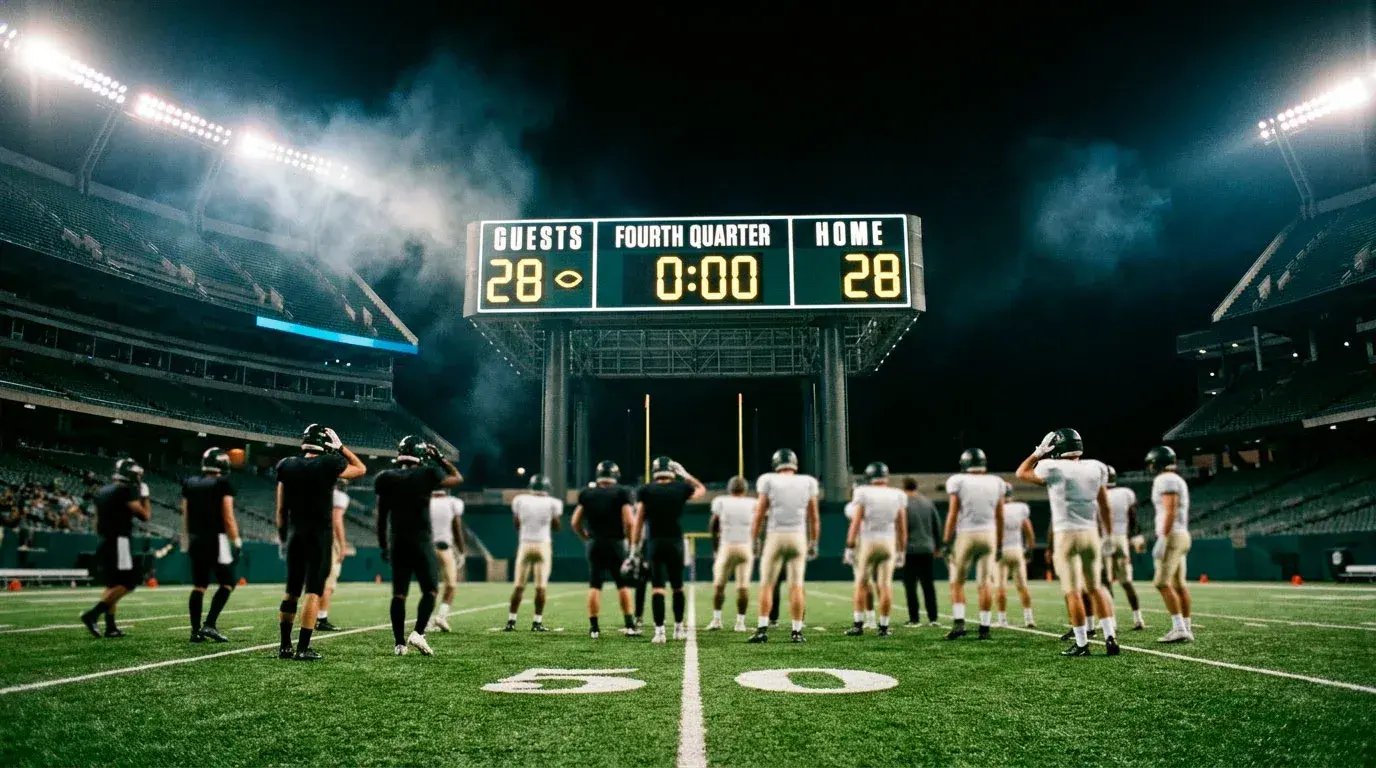
Consider a game with a total of 44.5 that is tied 20-20 at the end of regulation. The combined score is 40, which is 4.5 points under the total. If overtime produces a single touchdown (7 points), the final combined score becomes 47—over the total. The under, which was winning comfortably with five minutes left in the fourth quarter, loses because of a period of play that was not part of the original 60-minute game.
This dynamic creates a specific consideration for under bettors. If you are betting the under and the game enters overtime, your bet is at significant risk regardless of how comfortable the under looked during regulation. I factor overtime probability into every totals bet by asking: if this game goes to overtime, does the additional scoring push the total over my number? If the answer is yes and the game profile (close matchup, similar team strengths, divisional rivalry) suggests overtime is plausible, I either avoid the under or look for a lower total that builds in overtime protection.
Factoring Overtime Probability Into Pre-Game Lines
Bookmakers already incorporate overtime probability into their lines, but the adjustment is subtle. A game between evenly matched teams has a higher probability of going to overtime than a game with a large spread, and the spread itself reflects this. A pick-em game (no spread) has roughly a 5-7% chance of going to overtime in the regular season. A game with a 7-point spread has a substantially lower OT probability because the teams are less evenly matched.
For totals, the overtime adjustment is embedded in the number. A game between two evenly matched teams may have a total that is 0.5-1 point higher than it would be if overtime were excluded from settlement, reflecting the expected value of additional scoring in the 5-7% of games that reach OT. This embedded adjustment means that overtime probability is already “priced in” to the total—but only at an aggregate level. Specific game circumstances (weather, defensive matchups, coaching tendencies) may make overtime more or less likely than the average, and the total may not fully reflect those specifics.
My approach: I do not try to predict overtime. Instead, I assess my total bets for overtime sensitivity. If a bet is only profitable if the game does not go to overtime, the margin is too thin. If the bet holds up regardless of whether overtime occurs, the analysis is robust. Overtime should be a scenario your bet can survive, not a scenario your bet depends on avoiding.